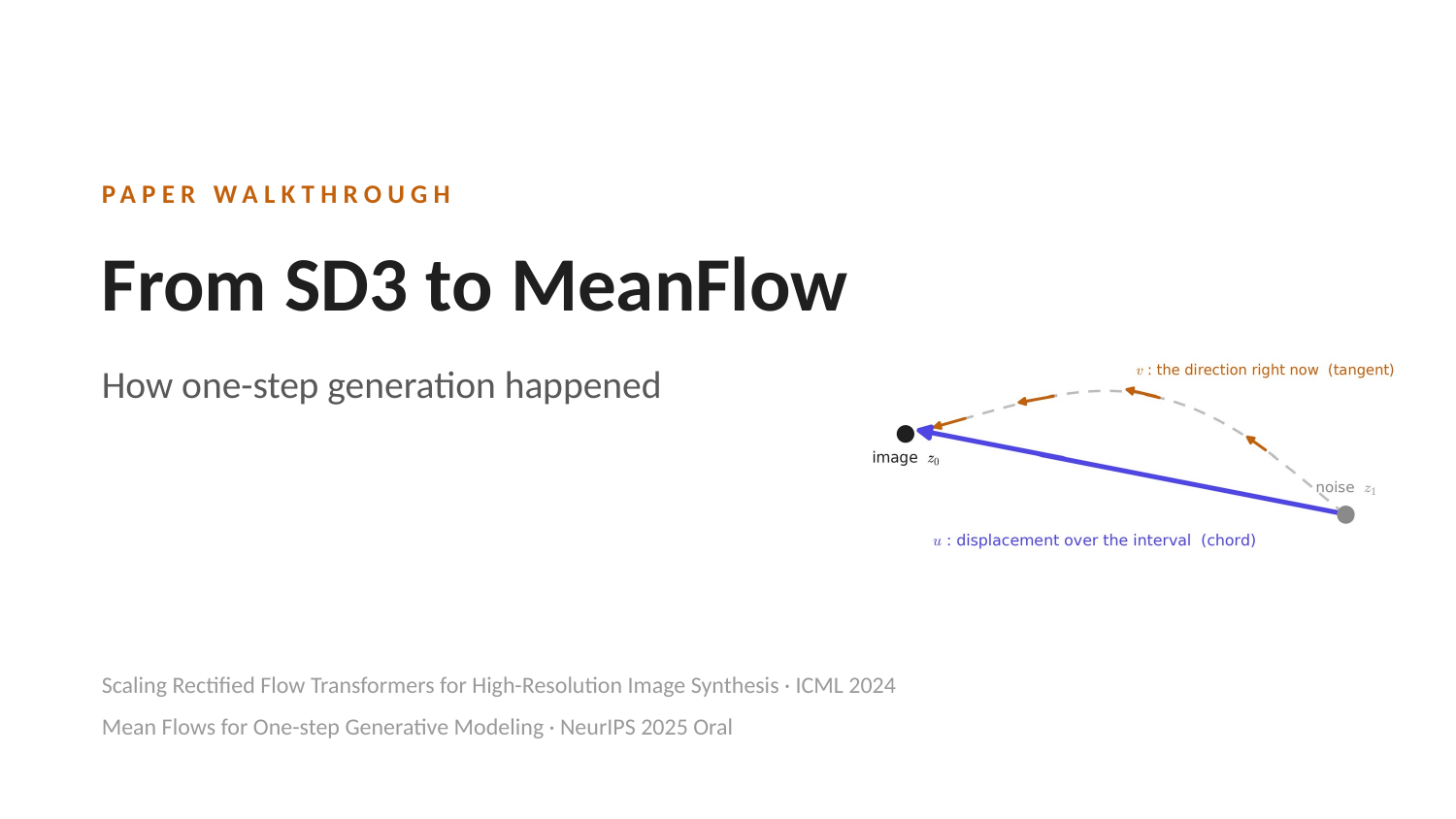
31/08/2026 N/A 从 SD3 到 MeanFlow:一步生成是如何发生的 本文梳理从 SD3 到 MeanFlow 的技术脉络,解释流匹配模型为什么需要几十步采样,以及把学习目标换成平均速度之后,一步生成是如何实现的。 Article Read More
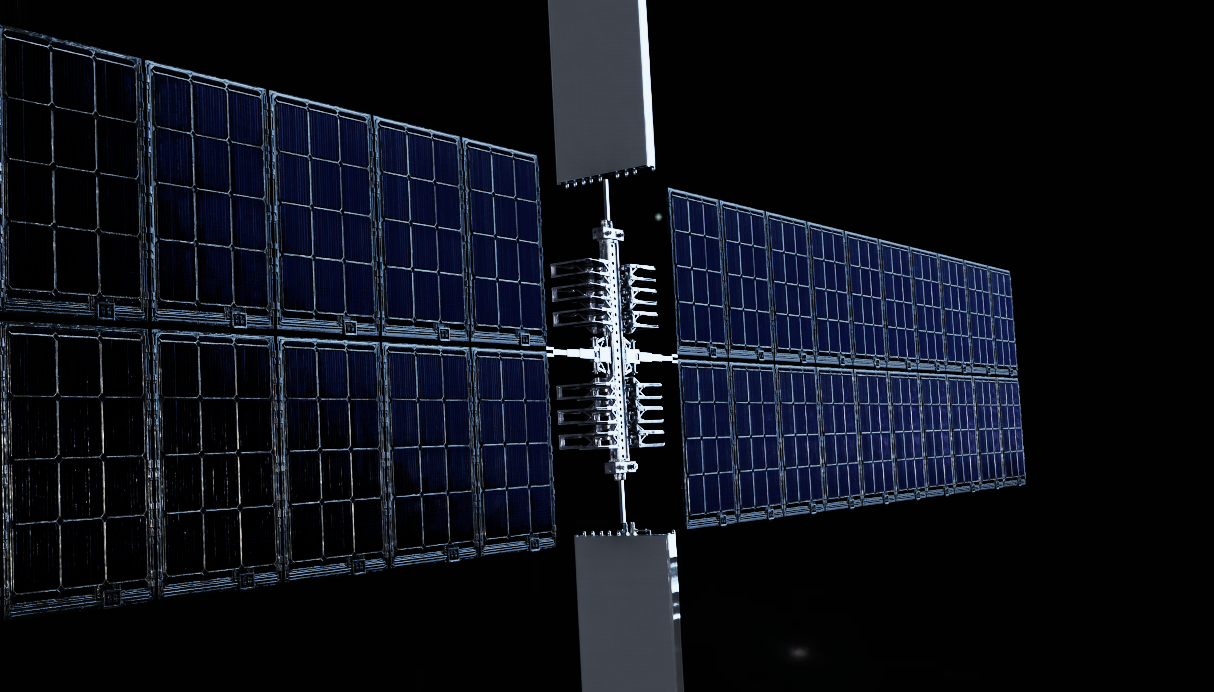
31/08/2026 N/A OrbitWiz:为太空数据中心造一个数字孪生 本文介绍面向太空数据中心设计与评估的认知数字孪生 OrbitWiz,以及它对轨道、通信、计算、电力和热过程的系统级耦合仿真与验证。 Article Read More
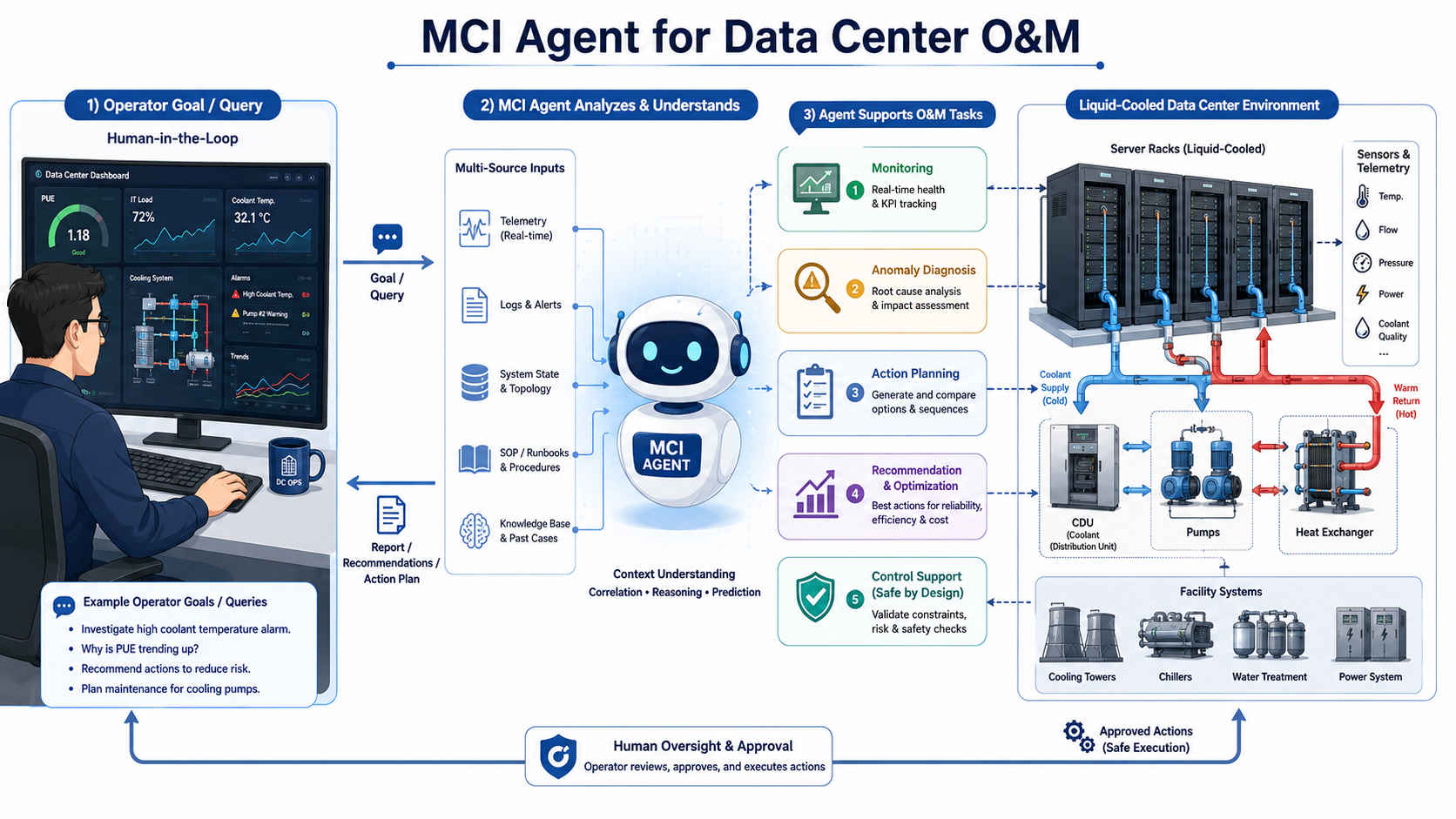
14/08/2026 N/A 关键任务基础设施中的 Agent Harness 部署 本文讨论 Agent Harness 在关键任务基础设施运维中的作用,并提出面向具体任务配置最小充分 Harness 的部署思路。 Article Read More
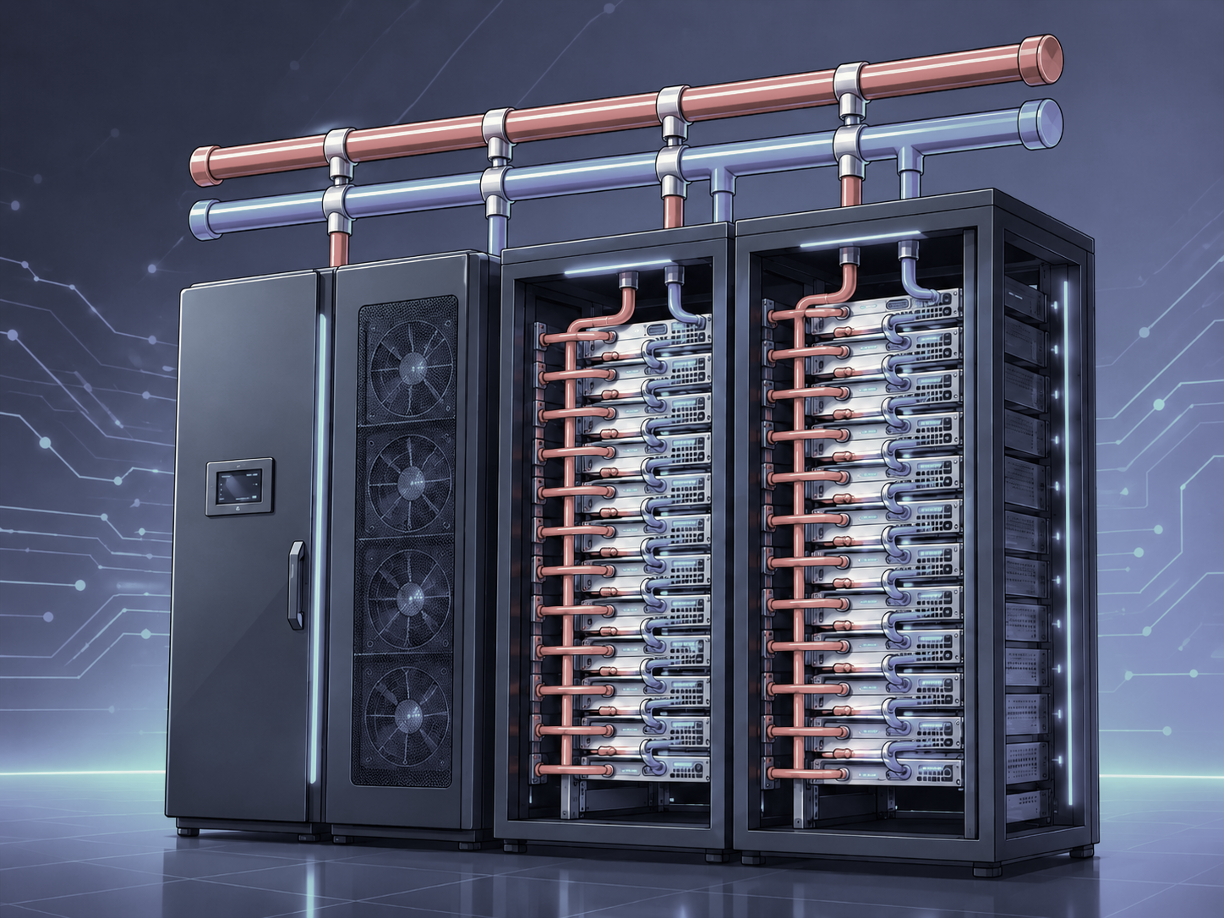
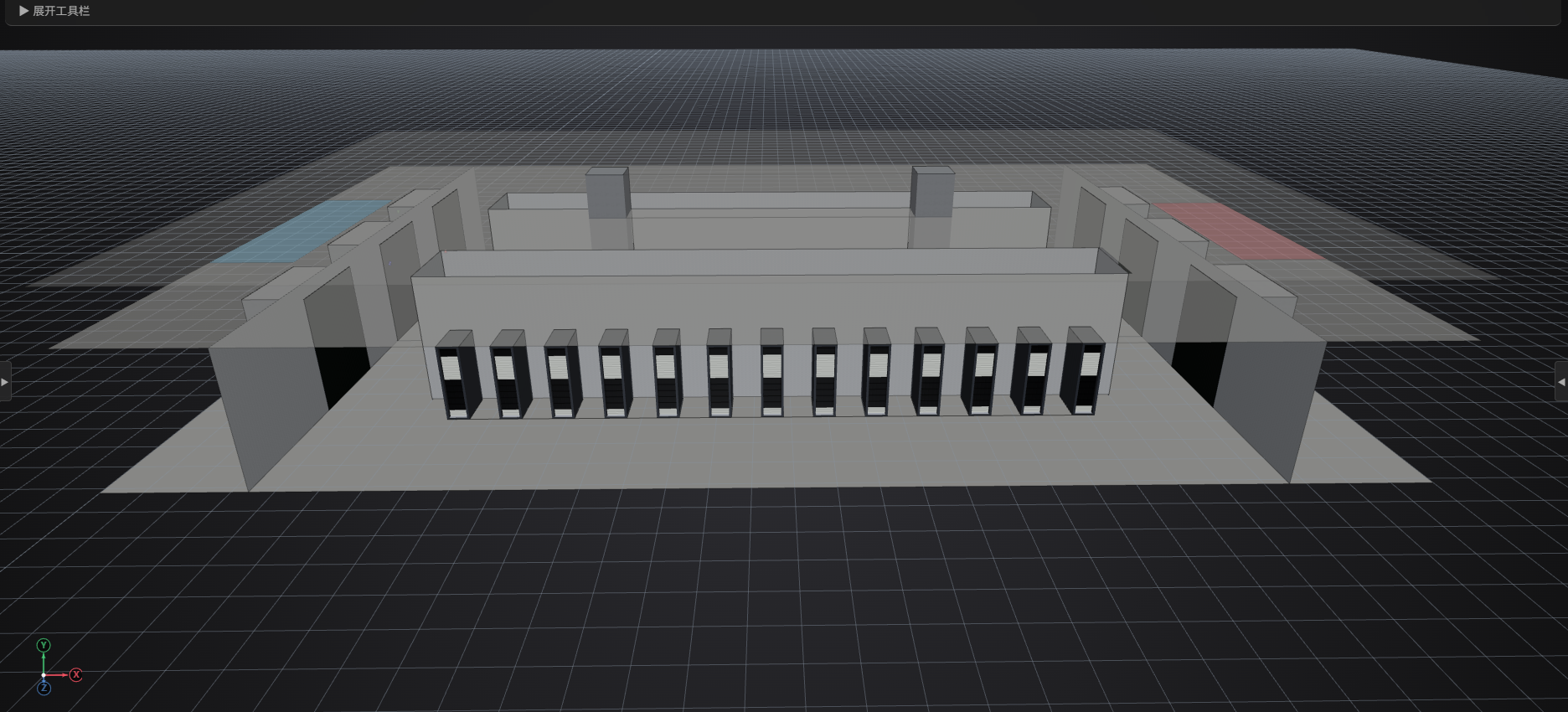
03/07/2026 N/A 不只是仿真:LiquidTwin 让液冷数据中心的设计与运维变得智能化 LiquidTwin 面向液冷数据中心,将 CFD、机理模型和 AI 代理结合,用于液冷系统设计评估、故障诊断和运行优化。 Article Read More
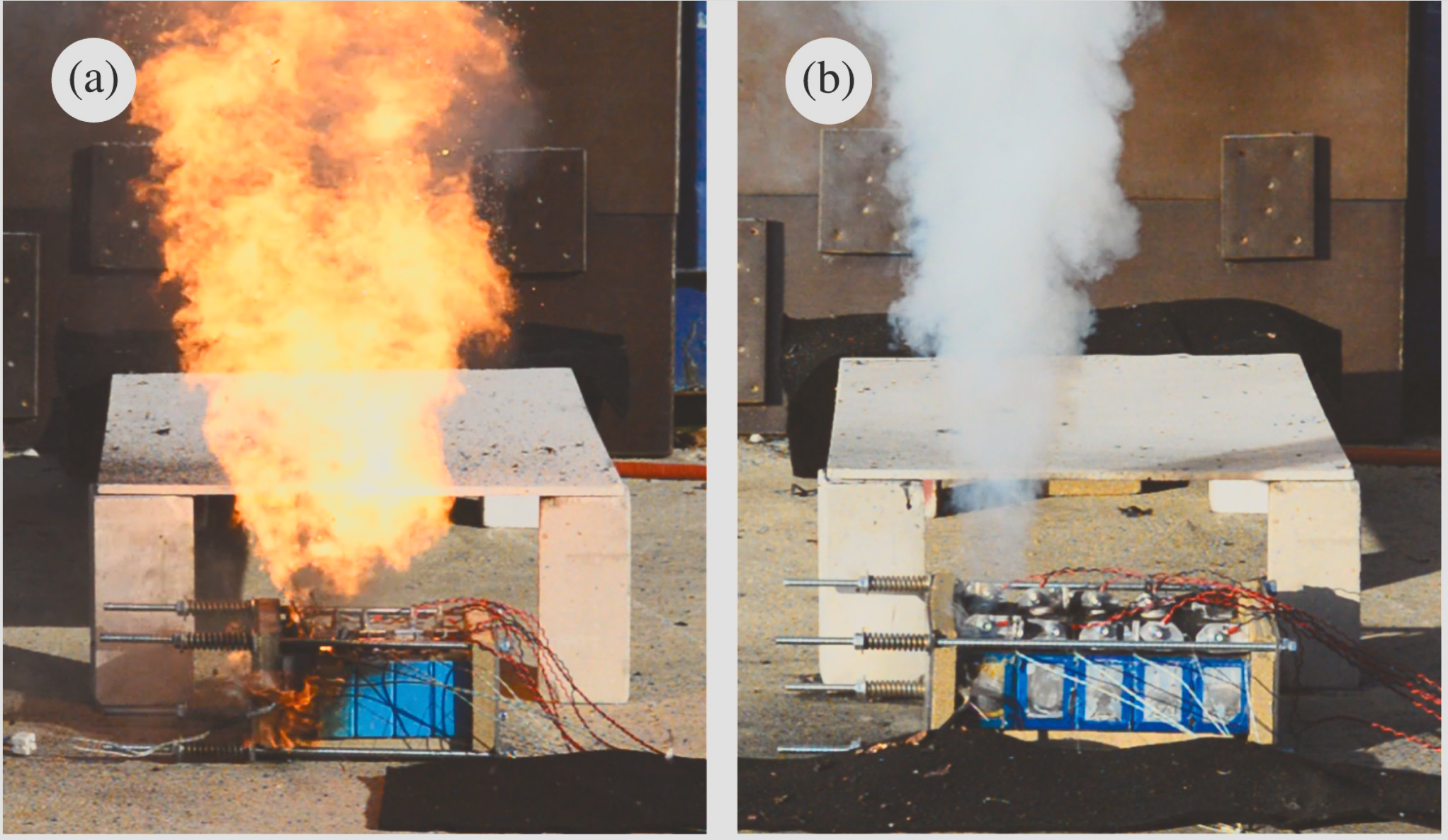
03/07/2026 N/A 锂离子电池热失控:从 CFD 高保真仿真到基于物理AI的数字孪生 本文梳理锂离子电池热失控建模,从低维热模型到 CFD 高保真仿真,并讨论物理 AI 数字孪生的快速预测路径。 Article Read More
13/05/2026 N/A 数据中心CFD仿真中的黑箱建模:边界条件、自动网格与收敛判据 以 DCTwin 的工程实践为例,梳理数据中心 CFD 自动化建模中的边界条件、网格加密和收敛判据设置。 Article Read More
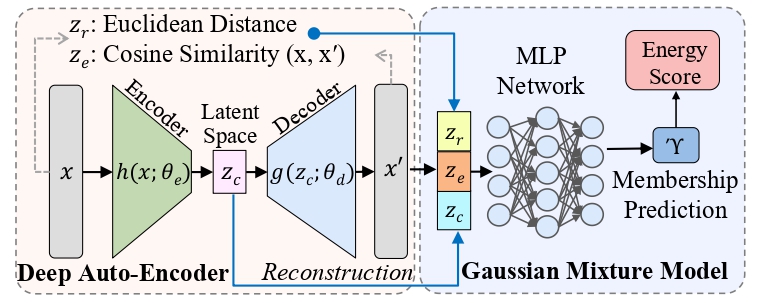
13/05/2026 N/A 科研专题|AAAA’26 Oral:面向电池健康预测与不确定性量化的物理信息神经网络 介绍 CAP 组 AAAI 2026 Oral 工作:面向电池健康预测的物理信息多任务学习方法,并处理预测不确定性。 Article Read More
02/12/2025 N/A AI × 数据中心:如何实现高效、可靠的智能热管理? 讨论 AI 驱动的数据中心热管理,比较 DRL 与 LB-MPC 的潜力,并分析真实部署中的安全、泛化和可靠性问题。 Article Read More
13/02/2025 N/A DCGPT: Transforming Future AIDC Operations DCGPT explores how large language models can support future AI data center operations, from system understanding and monitoring to decision support. Article Read More
01/01/2025 N/A TOP 10 Data Center Trends in 2025: A Researcher Perspective A researcher’s view of ten data center trends in 2025, covering AI workloads, sustainability, cooling, energy use and operational automation. Article Read More